This comparative guide delves into the key differences between electric and diesel scissor lifts, two popular choices for lifting equipment. Understanding the advantages and disadvantages of each type is crucial for making an informed decision whether you need a lift for construction, maintenance, or even laboratory use. The right scissor lift can greatly enhance productivity, safety, and efficiency on the job site or in a workshop.
This guide is designed for anyone considering the purchase of a scissor lift, whether you are a contractor, business owner, or facility manager. You will learn about the price ranges, typical capacities, and essential features to look for in both electric and diesel models. This information will help you choose the lift that best suits your operational needs and budget.
Research Your Needs
Before deciding between electric and diesel scissor lifts, assess your specific lifting requirements, including height, weight capacity, and the work environment. Electric lifts are ideal for indoor use, while diesel lifts are better suited for outdoor applications due to their robust engines.
People Also Look For:
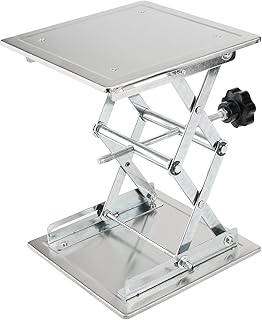
- ZEONHAK 150 x 150mm Lab Scissors Lift, 6 x 6 Inch Lab Jack Stand, Scissor Lift Platform Lift Height Range from 75mm to 260mm, 1.2K...
- Draper 70212 Hydraulic Motorcycle Scissor Lift, 135kg
- VEVOR Hydraulic Lift Table Cart, 770lbs Capacity 59" Lifting Height, Manual Double Scissor Lift Table with 4 Wheels and Non-slip P...
- Motorcycle Scissor Jack Lift, 500KG Heavy Duty Motorbike Motorcycle Table Bench Workshop Scissor Lift Jack Stand Paddock, Height A...
- SuperHandy Hardware Lift Winch Stacker, Pallet Truck Cart, Lift Table, Fork Lift, Max Lift 150kg, 40" with 8" Wheels, Swivel Caste...
Consider Size and Height
Different scissor lifts come in various sizes and height capacities. Determine the maximum height you need to reach and ensure that the lift can fit in your designated workspace, especially in confined areas or low ceilings.
Evaluate Weight Capacity
Check the weight capacity of both electric and diesel scissor lifts. Electric models typically support lighter loads, while diesel models can handle heavier weights, making them suitable for more demanding jobs.
Safety Features
Safety should be a top priority. Look for features such as guardrails, emergency stops, and overload protection. Electric lifts often have advanced safety mechanisms, while diesel lifts may require additional safety measures due to their power and usage conditions.
Budget Considerations
Price can vary significantly between electric and diesel scissor lifts. Generally, electric models are more affordable upfront, but consider long-term operating costs, such as maintenance, fuel, and electricity, when making your budget.
Accessibility and Transport
Consider how you will transport the scissor lift to different job sites. Diesel lifts may require more space and equipment for transport, while electric lifts can often be more compact and easier to move, especially in urban settings.