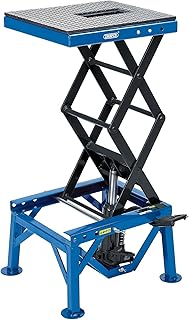
Navigating Scissor Lift Solutions for Success in 2026 Projects
As we approach the year 2026, the construction and maintenance sectors are gearing up for a wave of innovative projects that demand efficiency and safety. Central to achieving these goals is the effective utilisation of scissor lifts, which have become indispensable tools in various industries. This article delves into the critical considerations and solutions surrounding scissor lifts that can significantly enhance project success in 2026.
Understanding Scissor Lifts
Scissor lifts are versatile machines designed to provide a stable and elevated work platform. They are ideal for indoor and outdoor applications, particularly where vertical access is required. In 2026, as projects become more ambitious and complex, understanding the different types and specifications of scissor lifts will be crucial for project managers and teams.
Types of Scissor Lifts
There are several types of scissor lifts available on the market, each designed for specific tasks. Electric scissor lifts are known for their quiet operation and are perfect for indoor environments where emissions must be kept to a minimum. Conversely, rough terrain scissor lifts are equipped with larger wheels and enhanced stability features, making them suitable for outdoor construction sites. Understanding the differences between these lifts will allow project leaders to choose the right equipment for their specific needs.
People Also Look For:
- DRIVEUPTOOLS Axle Stands 3 Tons with Rubber Pad | Stabilizing Jack Stands Pack of 2 | Lifting Height 11.6-16.7 Inches | Car Lift |...
- Adjustable Lab Lift Stand Stainless Steel Lift Table Lab Stand Scientific Lab Lift Platform Stands Rack Scissor Lab Lifter for Sci...
- LEXININ 150 x 150mm Laboratory Scissor Jack, Stainless Steels Laboratory Lifting Platform, Scientific Lab Jack Stand for Physics E...
- KATSU Tools 2000kg Portable Pivot Car Lift Tilting Adjustable Car Lifter Jack, Lifting Height 150 to 585mm, 3 Adjustable Width Set...
- Loadsurfer 300kg Mobile Scissor Lift Hydraulic Lifting Platform Table Trolley Cart Truck
Safety Considerations
Safety remains a paramount concern when operating scissor lifts. As we move into 2026, adhering to safety regulations will not only ensure compliance but also protect the wellbeing of workers. Training is essential; all personnel should receive comprehensive training on the operation of scissor lifts, including safety protocols and emergency procedures. Regular maintenance checks should also be implemented to ensure that all equipment is in optimal working condition.
Efficiency and Productivity
Utilising scissor lifts can significantly enhance productivity on job sites. In 2026, project managers will need to focus on optimising the use of these lifts to streamline workflows. This involves planning the lift's operation in conjunction with other activities on site, ensuring that workers can access their tasks without unnecessary delays. The integration of technology, such as telematics, can further boost efficiency by providing real-time data on equipment usage and performance.
Cost Management
Budget constraints are a common challenge in any project. In 2026, understanding the costs associated with scissor lifts, from acquisition to maintenance, will be critical for financial planning. Renting scissor lifts may present a more cost-effective solution for short-term projects, while purchasing may be beneficial for long-term investments. Evaluating the total cost of ownership, including maintenance and operational costs, should be a key consideration in decision-making.
Environmental Impact
With increasing emphasis on sustainability, the environmental impact of scissor lifts will be an important factor in 2026. Electric models produce fewer emissions, making them preferable for projects with a strong sustainability focus. Additionally, companies should consider the lifecycle of their equipment and explore options for recycling or disposing of older models responsibly. This not only aids in reducing the carbon footprint but also aligns with the growing demand for eco-friendly practices in construction.
Future Innovations
The world of scissor lifts is continually evolving, with advancements in technology promising to enhance their functionality and efficiency. In 2026, we can expect to see innovations such as improved battery life for electric models, enhanced safety features, and the integration of smart technology that allows for remote monitoring and diagnostics. Keeping abreast of these developments will be essential for stakeholders looking to maintain a competitive edge in the industry.