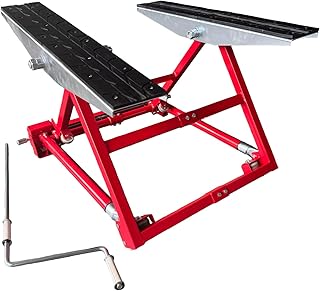
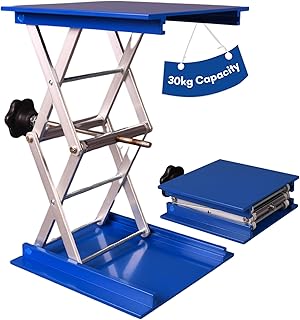
Comparison of Electric vs Hydraulic Scissor Lifts
This buying guide covers the key differences between electric and hydraulic scissor lifts, helping you understand which type is best suited for your needs. Scissor lifts are essential tools in various industries, from construction to laboratories, and choosing the right type can significantly impact efficiency and safety. Each type offers unique advantages, making it crucial to assess your requirements before making a purchase.
This guide is aimed at individuals and businesses looking for scissor lifts, whether for professional use or personal projects. You will learn about the price ranges, typical features, and performance metrics of both electric and hydraulic options. Expect to find lifts that vary from budget-friendly models to high-capacity units, with key features such as weight capacity, lifting height, and portability to consider in your decision-making process.
Research Your Needs
Before choosing between electric and hydraulic scissor lifts, assess your specific requirements. Consider factors such as the weight of the materials you'll be lifting, the frequency of use, and the environment in which the lift will operate.
People Also Look For:
- MUKLEI 2 PCS 100 x 100mm Lab Scissors Jack, 5 kg Load Capacity, Stainless Steel Laboratory Support Jack, Lab Lift Stand Table Plat...
- LEXININ 200 x 200mm Lab Scissors Jack, Stainless Steels Laboratory Jack, Lifting Platform Stand for Physics Experiment Science
- Loadsurfer 300kg Mobile Scissor Lift Hydraulic Lifting Platform Table Trolley Cart Truck
- KATSU Tools 1500kg Portable Pivot Car Lift Tilting Adjustable Car Lifter Jack, Lifting Height 150 to 585mm, 3 Adjustable Width Set...
- Pyle Heavy Duty Motorcycle Lift Table, Portable Scissor Jack with Dolly, 500kg Capacity, Collapsible with Caster Wheels, Anti-Skid...
Measure Your Workspace
Take accurate measurements of your workspace to ensure that the lift you choose fits comfortably. Electric lifts often have a smaller footprint, while hydraulic lifts may be bulkier but offer greater lifting heights.
Evaluate Weight Capacity
Different lifts come with varying weight capacities. Ensure that the scissor lift you choose can handle the maximum weight you intend to lift, as exceeding this limit can lead to accidents and equipment damage.
Prioritize Safety Features
Look for safety features such as emergency stop buttons, overload protection, and safety guards. Electric lifts might have advanced safety technology, while hydraulic lifts often rely on mechanical safety systems.
Consider Your Budget
Electric scissor lifts generally have a higher initial cost but may save on long-term operational expenses due to lower energy consumption. Hydraulic lifts might be more affordable upfront, but consider maintenance and operational costs as well.
Think About Portability
If you need to move the lift frequently, consider the weight and mobility features. Electric lifts often come with wheels for easier transport, while hydraulic lifts may require more effort to move due to their heavier design.