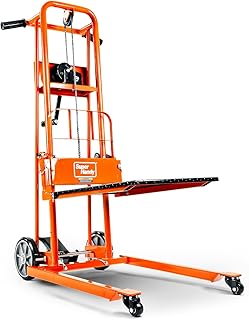
Essential Scissor Lift Buying Guide for Optimal Performance 2026
As the demand for aerial work platforms continues to rise, understanding the intricacies of scissor lifts becomes paramount for businesses aiming for efficiency and safety. In 2026, selecting the right scissor lift involves a nuanced approach that goes beyond mere specifications. This guide aims to provide essential insights for making an informed decision.
Understanding Scissor Lift Types
Before making a purchase, it is crucial to comprehend the various types of scissor lifts available in the market. Broadly, there are electric and diesel models. Electric scissor lifts are ideal for indoor use due to their quiet operation and zero emissions. They are suitable for tasks such as maintenance in warehouses and retail environments. Conversely, diesel scissor lifts are robust and designed for outdoor applications, where rough terrain may be a factor. Understanding the operational environment will dictate the type of lift required.
Weight Capacity Considerations
Another crucial aspect to consider is the weight capacity of the scissor lift. Assessing the maximum load that the lift can handle is essential for ensuring safety and operational efficiency. Typically, scissor lifts have weight capacities ranging from 225 kg to over 500 kg. It is vital to consider the combined weight of personnel and equipment that will be utilised on the lift. Exceeding the weight limit can lead to catastrophic failures and compromise safety.
People Also Look For:
- LEXININ 200 x 200mm Lab Scissors Jack, Stainless Steels Laboratory Jack, Lifting Platform Stand for Physics Experiment Science
- Loadsurfer 150kg Mobile Scissor Lift Hydraulic Lifting Platform Table Trolley Cart Truck
- DRIVEUPTOOLS Axle Stands 3 Tons with Rubber Pad | Stabilizing Jack Stands Pack of 2 | Lifting Height 11.6-16.7 Inches | Car Lift |...
- LEXININ 200 x 200mm Lab Scissors Jack, Stainless Steels Laboratory Jack, Lifting Platform Stand for Physics Experiment Science
- DASBET Lab Scissor Stand 100 x 100mm Laboratory Lifting Platform Stainless Steel Adjustable Lab Stand Router Lift Scissor Lift for...
Platform Size and Reach
The platform size and reach of a scissor lift are key factors that influence its usability. Larger platforms can accommodate more personnel and equipment, which is beneficial for extensive projects. Additionally, the working height is crucial for tasks that require extensive vertical reach. Most scissor lifts can reach heights between 6 and 20 metres. Evaluating the specific requirements of your projects will guide you in selecting a model that meets your needs.
Safety Features
Safety cannot be overlooked when considering the purchase of a scissor lift. Modern scissor lifts come equipped with various safety features that are essential for protecting operators and personnel. Look for lifts that include features such as emergency stop buttons, guard rails, and tilt sensors. Furthermore, scissor lifts should comply with local safety regulations and standards. Familiarising yourself with these standards will ensure that your chosen lift adheres to the necessary guidelines for safe operation.
Maintenance and Serviceability
Investing in a scissor lift also means considering its maintenance needs. Regular maintenance is vital for ensuring the longevity and optimal performance of the equipment. Choose models that allow for easy access to components that require routine checks and servicing. Some manufacturers provide maintenance contracts, which can be beneficial for managing ongoing costs and ensuring that the lift remains in peak condition. Understanding the long-term maintenance requirements will aid in making a cost-effective decision.
Cost and Budgeting
Budgeting is a critical element in the purchasing process of a scissor lift. Prices can vary significantly based on the type, features, and brand of the lift. Establishing a clear budget will help narrow down options and prevent overspending. It is also prudent to consider the total cost of ownership, which includes maintenance, insurance, and potential downtime costs. Evaluating the return on investment will provide a clearer picture of what you can afford.
Renting vs Buying
Deciding whether to rent or buy a scissor lift can significantly affect your operational strategy. For short-term projects, renting may be the most economical option. However, for long-term use, purchasing might offer better value. Assessing your operational requirements and project timelines will help determine the most appropriate route. Many rental companies also offer flexible terms that can be advantageous for fluctuating project demands.
Manufacturer Reputation and Warranty
Lastly, considering the reputation of the manufacturer is essential in the buying process. Established brands typically offer reliable products and robust customer support. Researching customer reviews and testimonials can provide insights into the performance and durability of specific models. Additionally, reviewing the warranty terms is crucial. A comprehensive warranty can protect your investment and offer peace of mind in case of defects or operational issues.